


This remarkable site stands out as a prime example of a 19th-century company town located in northern Lombardy. Inscribed on the UNESCO World Heritage List in 1995, its significance lies not only in its unique urban planning but also in its embodiment of industrial heritage during a transformative era in European history. A visit here typically requires half a day and is perfect for those interested in architecture, history, and industrial development.
Historical background
The establishment of this settlement dates back to 1878 when a cotton mill was built by a visionary industrialist, who aimed to create a self-sufficient community for his employees. By the turn of the century, the area saw significant development, with the construction of residential housing, schools, and places of worship, creating a complete social ecosystem. Throughout the early 20th century, the town flourished, with a peak in industrial activity during the 1920s. However, as the textile industry faced decline, the community began to diminish, with many relocating in search of new opportunities.
Architecturally, the structures reflect a blend of neo-gothic and eclectic styles, indicative of the period’s design trends. The use of red brick and ornate detailing is prevalent throughout, enhancing the aesthetic charm of the neighborhood. As the residents' needs evolved, so did the spatial arrangement, transforming from a purely industrial complex to a more versatile living environment, focusing on community integration.
UNESCO value and status
This locale is recognized for its “outstanding universal value” due to its exceptional representation of late 19th-century industrial heritage. It serves as an excellent example of a planned worker's settlement that demonstrates the social, economic, and architectural responses to the industrialization period. The site fulfills UNESCO criteria, particularly in its demonstration of human creativity in urban planning and the influence of industry on social structures. Preservation efforts are ongoing, but the settlement faces challenges from urban development and environmental factors, necessitating careful management to maintain its historical integrity.
What visitors can see
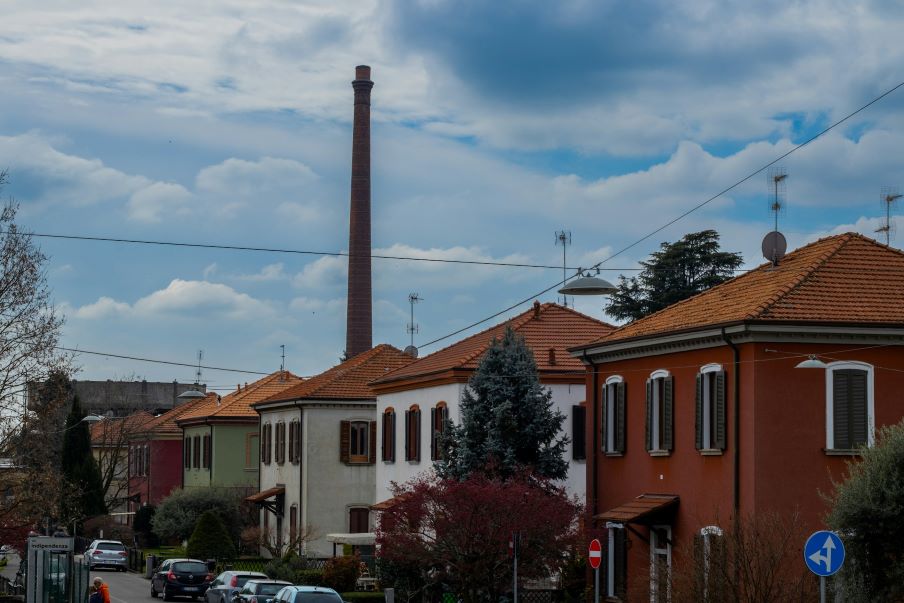
Exploring this settlement offers a variety of intriguing sights, each revealing layers of its industrial past. Visitors can wander through meticulously preserved streets, take in the unique architecture, and appreciate the layout designed for both work and living. The centerpiece is the factory complex, where the rhythmic hum of machinery once filled the air, now replaced by a tranquil atmosphere punctuated by birdsong.
The experience is enriched by numerous architectural details, such as:
- The picturesque residential buildings showcasing elaborate facades
- Community spaces like the school and chapel, emphasizing the social structure
- Beautifully landscaped areas that provide insight into the daily lives of past residents
Walking paths lead through the settlement, allowing for immersive exploration of this unique heritage site.
Автор фото: Gioele Reito. Источник: Unsplash
Practical information
The ideal time to visit is during the spring or early autumn when the weather is mild and crowds are fewer. A visit typically spans a couple of hours, offering a comprehensive view of the area. The terrain is generally accessible, though comfortable walking shoes are recommended for those eager to explore all areas thoroughly.
Visitors should note that some parts of the complex may be accessible only through guided tours, which can last around 30 minutes and provide valuable insights into its history. Bringing along a camera is advisable to capture the beauty of the architecture and landscape. Common pitfalls include underestimating the time needed to fully appreciate the site’s offerings and missing out on key areas that are less visible from the main pathways.
Who will enjoy this place
This historical site caters to a variety of traveler types. Those fascinated by industrial history and architecture will find it particularly rewarding, as will families looking to engage their children in the stories of past communities. Photography enthusiasts will appreciate the aesthetic appeal of the well-preserved buildings. The site is not physically demanding, making it suitable for most visitors, though those with mobility issues should take care in navigating certain areas.
For enthusiasts of communal living or those interested in early social experiments in industrial towns, this settlement provides a rich tapestry of history and insight into the socio-economic realities of the era.
Historical Significance of Crespi d'Adda
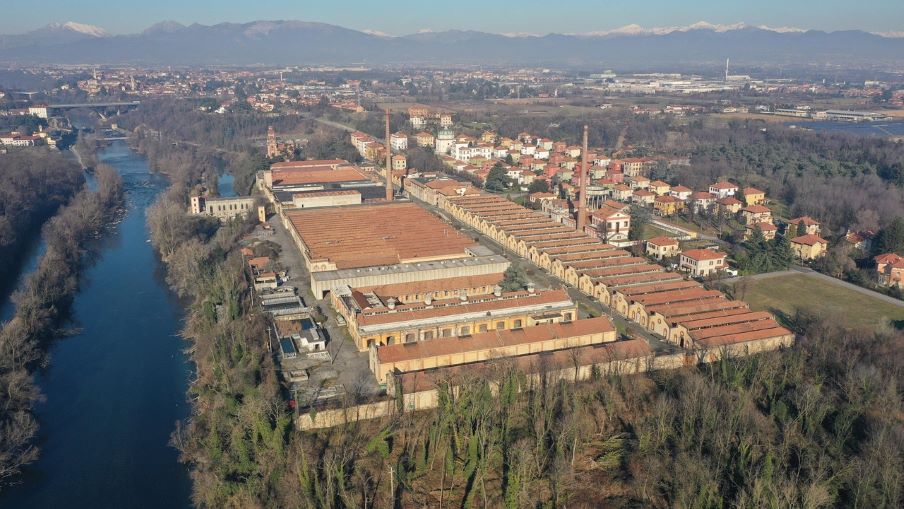
This remarkable site stands out for its embodiment of social and economic innovations during the late 19th century. Functioning as a model for worker housing, it reflects the ideals of the early industrial age in Europe. Its designation as a UNESCO World Heritage Site in 1995 recognizes its unique architectural and historical significance, which draws travelers and historians alike for exploration and reflection.
The establishment of this community began in the mid-1800s when a wealthy family sought to create a self-sustaining environment for laborers working in the nearby textile mill. Significant developments occurred from 1878 to 1920, during which time the settlement was carefully planned and constructed, offering housing, schools, and communal facilities. The architectural style takes cues from the Neo-Renaissance and Art Nouveau movements, harmonizing industrial functionality with aesthetic considerations.
Globally recognized for its exceptional universal value, this site illustrates the historical relationship between industry and society, representing a pivotal moment in labor history. Inscribed based on criteria (ii), (iv), and (v), it showcases socio-economic models that influenced later developments in urban planning and social welfare. Challenges to preservation include increasing tourism and urban encroachment; hence, stringent protection measures are essential to maintain its authenticity and historical integrity for future generations.
Автор фото: Angelo Giordano. Источник: Pixabay
Architectural Features of the Industrial Village
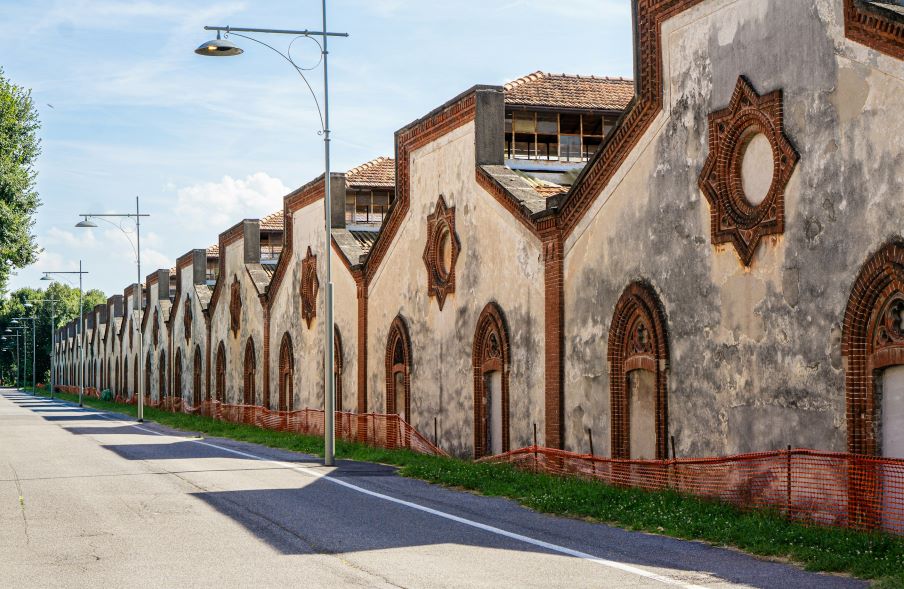
An exploration of the architectural characteristics within this unique community reveals a striking blend of styles and purposes that reflect the socio-economic context of its time. The buildings display a harmonious aesthetic, characterized by red brick and large windows, allowing natural light to flood interior spaces. Each structure indicates careful planning and a commitment to function alongside form, creating a cohesive visual narrative that exhibits both practicality and artistry.
The residential quarters feature a range of architectural styles, predominantly influenced by Neoclassical aesthetics. Homes are simple yet elegant, often adorned with decorative ironwork and intricately tiled rooflines. The uniformity in design fosters a sense of community, while distinct residential choices display personal expressions within the shared framework. These features not only provide shelter but also reflect the values of solidarity and cooperation prevalent in this settlement.
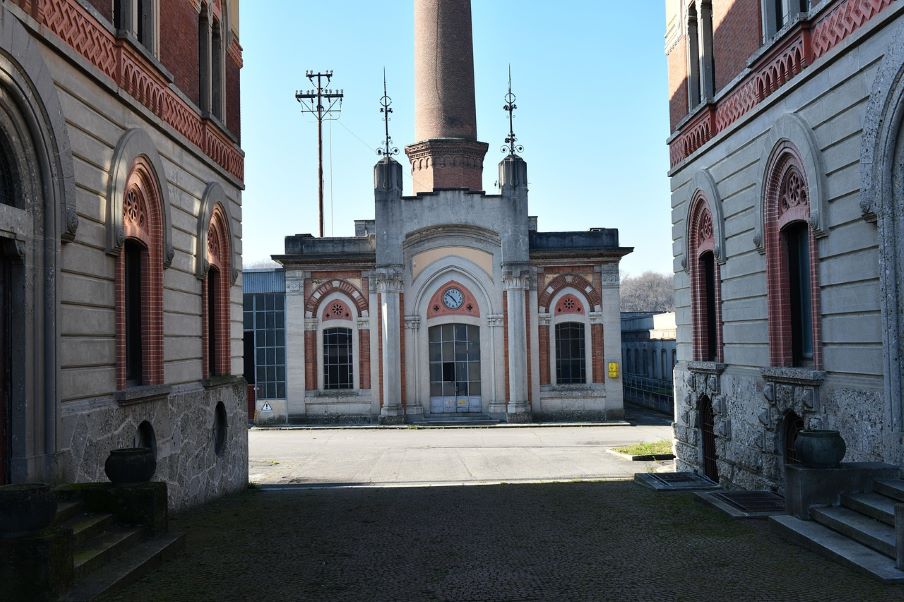
In contrast, the industrial facilities exhibit a more utilitarian approach, designed to facilitate production. These structures typically feature robust, functional forms, including tall chimneys and expansive factory spaces. Industrial architecture here is characterized by innovative design solutions, integrating large open areas suitable for machinery and workforce efficiency. The juxtaposition of the austere factory buildings against the aesthetically pleasing homes creates a distinct visual understanding of the village's dual purpose.
The use of local materials and craftsmanship plays a vital role in the architectural narrative. Stone and brick sourced from nearby quarries were essential in constructing durable buildings capable of withstanding the test of time. Further, a conscious choice was made to incorporate green spaces within and around the buildings, promoting a better quality of life for inhabitants. These parks and gardens are not merely ornamental but are integral to the village’s layout, encouraging outdoor social interactions.
Among the notable structures, the church stands as a focal point, its design echoing Romanesque influences with sturdy columns and rounded arches. This aspect not only serves the spiritual needs of the community but also complements the surrounding architecture, creating a harmonious balance between religious and industrial life. The integration of spiritual and secular spaces illustrates the community’s holistic approach to urban planning.
The varied use of windows across different buildings enhances the aesthetic experience. While factories showcase large, functional windows to maximize natural light, residential structures often feature smaller, intricately designed panes that enhance privacy and charm. The interplay of light in these spaces creates an inviting atmosphere, encouraging both work and relaxation.
Attention to detail extends to the construction and decorative elements of communal spaces, including squares and pathways. Paved walkways connect key areas, promoting easy movement within the area. The layout reflects thoughtful planning, anticipating the daily needs of residents while allowing for spontaneous community interactions.
In summary, this community's architectural features exhibit a thoughtful integration of style, function, and community well-being. Each building tells a story of a time when industry was intimately linked to daily life, revealing both the aspirations and challenges of its inhabitants. Exploring these structures offers an insightful glimpse into the past, honoring the craftsmanship and communal spirit that shaped this remarkable environment.
Автор фото: Vincenzo Inzone. Источник: Unsplash
Impact of The Crespi Family on Industrial Development
The influence of the Crespi family on manufacturing advancements is a compelling chapter in industrial history. Between the late 19th and early 20th centuries, they established a remarkable business model that shaped the practices of production and labor relations throughout the region of Lombardy. Their foundational philosophies continue to resonate in modern economic structures.
Having initially focused on the cotton industry, the Crespis rose to prominence by incorporating innovative techniques in their production processes. They adopted mechanization ahead of many competitors, significantly improving efficiency and output. This proactive approach not only enhanced profitability but also set new standards within the textile sector.
A critical aspect of their strategy was the careful integration of social welfare into their business model. The family invested in the well-being of their workers, providing essential services such as housing, education, and healthcare. This commitment to employee welfare established a blueprint for corporate social responsibility, influencing future generations of entrepreneurs and manufacturers.
In the realm of design and architecture, the Crespi family commissioned renowned architects to create spaces that fostered community and collaboration among workers. The residential areas they developed showcased a blend of functionality and aesthetic appeal, enhancing the quality of life for employees and creating a sense of belonging. Such environments contributed to the productivity and loyalty of the workforce.
Educational initiatives were also a priority, as the family believed in empowering individuals through knowledge. By establishing vocational training programs, they not only upskilled their employees but also nurtured a culture of innovation. This focus on education directly correlated with the rise of skilled labor and technological advancements in production.
Despite their contributions, challenges arose, particularly during economic downturns and social upheaval. The Crespis navigated these difficulties with resilience, adjusting their practices in response to external pressures while maintaining their core philosophical commitments. Their ability to adapt underscored the importance of flexibility in industrial practices, illustrating a proactive stance in the face of adversity.
Today, the legacy of the Crespi family remains a guiding example of ethical business practices and social responsibility in industrial development. Their innovative approaches and commitment to employee welfare continue to inspire and influence contemporary conversations about sustainable manufacturing and corporate ethics.
Автор фото: Angelo Giordano. Источник: Pixabay
Socioeconomic Structure within Crespi d'Adda
The socioeconomic framework surrounding this unique site reflects a comprehensive model of community planning and industrial evolution from the late 19th century. This settlement was established for workers at the textile mill, blending residential, commercial, and social elements. It showcases a well-orchestrated lifestyle that balanced labor and daily living, directly catering to the needs of its inhabitants.
Transportation played a fundamental role in shaping the economic landscape. The site was strategically positioned along the river, facilitating the flow of goods and resources. The proximity of the mill to housing units minimized travel time for workers, enhancing productivity and ensuring a cohesive community. Such foresight in planning contributed significantly to the social fabric, wherein workers and their families could thrive in a secure environment.
The village's residential architecture reveals a clear hierarchy based on occupation and social status, with distinct housing styles for workers, managers, and the industrialist. Workers typically occupied simpler, functional homes, while management enjoyed more spacious, ornate residences. This stratification is a testament to the employment structure that dominated the site, reflecting the diverse roles within the workforce.
The strong sense of community was further reinforced through shared spaces, including schools, a church, and recreational facilities. These amenities provided not only essential services but also fostered a social cohesion that marked the daily lives of the residents. Activities within these communal spaces were pivotal in nurturing relationships and maintaining cultural traditions among the populace.
Visitors today can appreciate the remnants of this integrated socioeconomic system, which still evoke the original industrial spirit. The architecture and layout serve as a living museum of industrial worker life, offering insight into the social dynamics that defined the era. Exploration of the community's infrastructure reveals how the synergy between work and home contributed to a sustainable living model that influenced later urban developments.

