


The renowned twin architectural masterpieces in the heart of southern Spain boast a remarkable blend of history, art, and cultural significance. Inscribed on the UNESCO World Heritage List in 1987, these sites are a must-visit for those interested in the rich narratives of exploration and conquests that shaped the modern world. Visitors can expect to spend a full day immersing themselves in the intricate details and storied past of these historical landmarks, perfect for enthusiasts of architecture and heritage alike.
Historical background
The origins of this iconic complex date back to the 12th century when the region was under Muslim rule. The fortress-like structure was initially a Moorish palace, constructed to serve as both a residence and a seat of power. Over the centuries, as the Christian Reconquista progressed, significant modifications were undertaken, notably during the 15th century when it became a royal residence for Spanish monarchs, paralleling the rise of Spain as a global maritime power.
The architectural evolution of the site reflects a confluence of diverse styles, merging Mudéjar, Gothic, Renaissance, and Baroque elements throughout its illustrious history. Each phase of construction corresponds with a change in function, where open courtyards and grand halls initially served for administration and governance and later transformed into opulent royal apartments and ceremonial spaces.
UNESCO value and status
This ensemble illustrates outstanding universal value due to its integration of diverse architectural styles and its historical significance as a center of colonial administration. It stands as a symbol of the cultural interchange between Europe and the Americas during the Age of Discovery. The site fulfills several UNESCO criteria: it embodies a masterpiece of human creative genius, it bears a unique testimony to a cultural tradition, and it represents a significant adaptation of architectural forms to its environment.
Protection measures are in place, although challenges such as urban expansion and increased tourism pose potential threats to its preservation. Continued efforts are essential to safeguard these jewels for future generations, highlighting the need for conscious visitor engagement and respect for their historical integrity.

Автор фото: Syawish Rehman. Источник: Unsplash
What visitors can see
Stepping into this spectacular locale offers a sensory feast. The intricate stone carvings and colorful ceramic tiles shimmer in the sunlight, inviting exploration. Visitors will marvel at the lush gardens that weave through the complex, where fragrant orange blossoms fill the air. The lavishly decorated interiors are punctuated by grand arches, soaring ceilings, and ornate courtyards that whisper tales of royal splendor.
Highlights of a visit include:
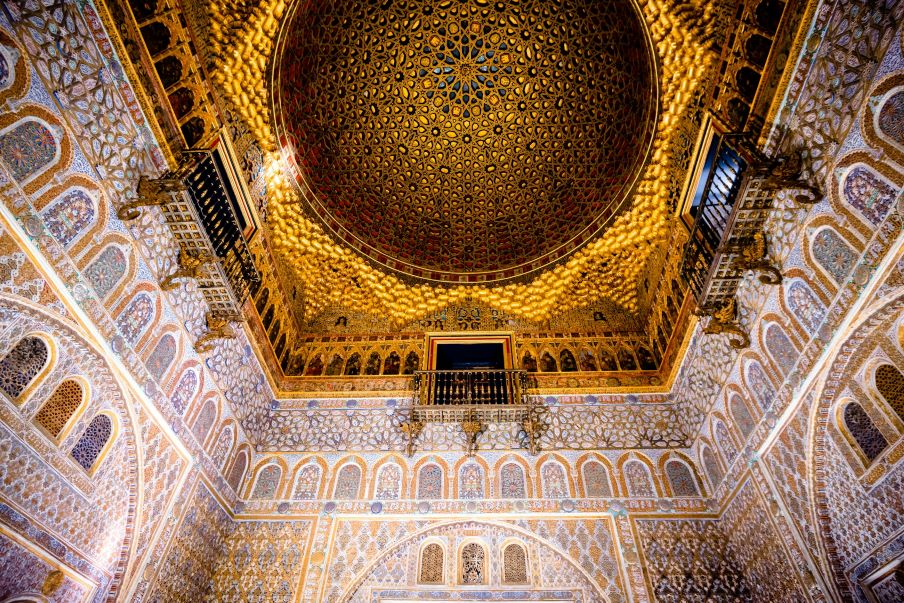
- The impressive Hall of Ambassadors with its stunning coffered ceiling
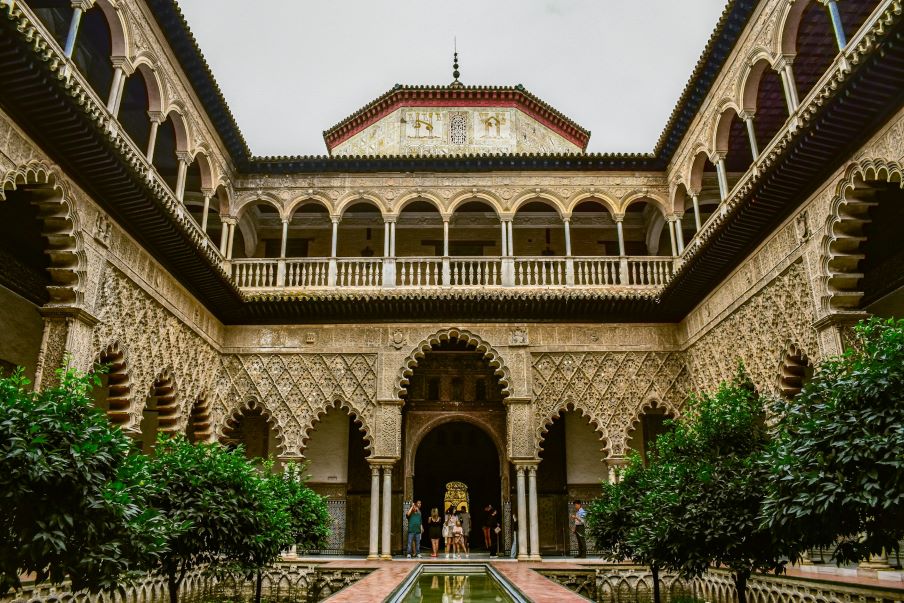
- The serene Patio de las Doncellas, featuring a tranquil pool surrounded by intricately designed walls
- The lush gardens that provide a delightful escape with their fountains and shaded pathways
Exploring should be leisurely, allowing time to appreciate the subtle details and enjoy the architectural harmony present within the complex. Multiple routes guide visitors through the site, each offering a chance to absorb the ambiance and rich history.
Practical information
The best time to visit is during the spring and fall when the climate is mild and the tourist crowds are less dense. A typical visit spans several hours, providing ample opportunity to soak in the beauty and history without feeling rushed. While the terrain is generally accessible, some areas may involve stairs and uneven surfaces, so a moderate level of mobility is advisable.
Common recommendations include wearing comfortable footwear and bringing water, especially during warmer months. Visitors should remain mindful of respecting the quiet ambiance, allowing others to fully enjoy the cultural experience. While there are guided tours available, independent exploration is equally rewarding, highlighting individual interests within this historical grandeur.
Who will enjoy this place
This destination is ideal for history buffs, architecture aficionados, and those interested in the narratives of exploration and cultural exchange. Families can enjoy leisurely walks through the gardens, while photographers will find countless opportunities to capture stunning visuals. Pilgrims and spiritual seekers may also find resonance in the site's profound historical context, reflecting centuries of devotion and legacy.
Adventurous travelers should be prepared for potential challenges such as varying temperatures and a need for stamina while walking through expansive areas. Ultimately, the captivating histories and architectural wonders awaiting at this magnificent locale will leave a lasting impression on all who visit.
Historical Significance of Alcázar
The structure stands as a landmark of architectural development and cultural synergy, recognized as a UNESCO World Heritage Site. Its historical significance spans centuries, showcasing the intricate interplay between various cultures that have flourished in the Iberian Peninsula. For travelers and historians, this site offers a direct connection to eras of political power, religious transition, and artistic expression.
Historical background
Construction of the royal complex began in the 8th century under the Umayyads, who established a fortified palace reflecting Islamic architectural styles. The addition of later structures in the Gothic, Renaissance, and Baroque periods illustrates the evolution of this site. Significant revisions occurred in the late 15th century and throughout the 16th century, coinciding with Spain’s rise as a global power.
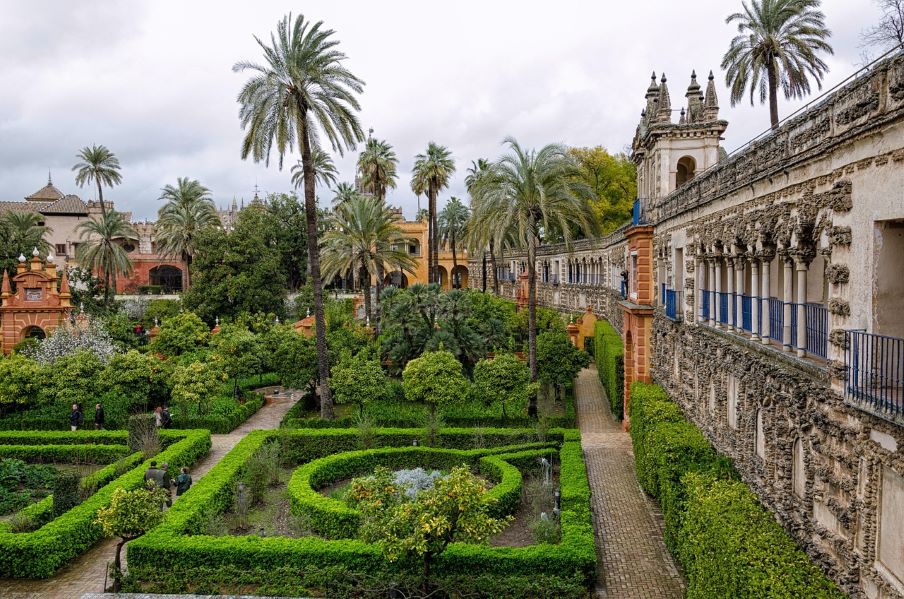
Distinct architectural styles, including Mudejar and Gothic influences, mark the phases of use over time. Initially serving as a military fortress, it evolved into a regal residence. During the Reconquista, it became a symbol of Christian dominion, adapting to new cultural functions while retaining its splendid decorative elements and features, such as intricate tilework and lush gardens.
Автор фото: USA-Reiseblogger. Источник: Pixabay
UNESCO value and status
This site is often celebrated for its outstanding universal value due to its exceptional representation of cross-cultural influences. It exemplifies a synthesis of Christian, Islamic, and Jewish architectural elements, reflecting the complex history of the region. Cited under criteria ii, iii, and iv for its artistic and historical significance, it showcases the creative expressions of different civilizations.
Preservation efforts are ongoing to mitigate threats from tourism and environmental factors. The increasing number of visitors impacts its structural integrity and aesthetic appeal, necessitating careful management to ensure these historic sites remain intact for future generations.
What visitors can see
Visitors can explore the ornate details within the royal chambers, stroll through beautifully landscaped gardens, and marvel at the stunning mosaics. The atmosphere is enriched by the harmonious blend of sights, such as the tranquil pools reflecting the Moorish architecture amidst lush greenery. Highlights include:
- Imposing towers offering panoramic views
- Intricately decorated ceilings that exhibit Islamic artistry
- Historical artifacts that narrate the journey of the site
Wandering through the adjoining areas allows for an immersive experience, where the serenity of courtyards contrasts with the bustling main corridors. Exploring at a leisurely pace reveals hidden gems in every corner, including charming chapel spaces and luxurious entryways.
Practical information
The ideal times to visit are during spring and fall, as temperatures are milder and crowds are typically smaller. A typical visit may last between two to three hours, allowing sufficient time for leisurely exploration. Travelers should be prepared for various terrains, which may include stairs and cobblestone pathways.
Access might be restricted to guided tours in specific areas to safeguard the site's integrity. Planning ahead is advisable to secure spots on these tours. Essential items to bring include water and comfortable shoes, as visitors can spend time walking through extensive grounds. Watching for seasonal events or special openings can enhance the experience further.
Who will enjoy this place
This historical enclave caters to a wide range of enthusiasts including architecture aficionados, history buffs, and cultural explorers. Families will also find the storytelling potential rich and engaging for young visitors. While suitable for most, those with limited mobility should prepare for some physically demanding areas, especially if navigating the expansive gardens or elevated viewpoints.
Spiritual seekers might find connections to the historical significance of various religious practices that took place here, adding layers to the journey through this captivating space.
Автор фото: Alex. Источник: Unsplash
Architectural Features of the Alcázar Palace
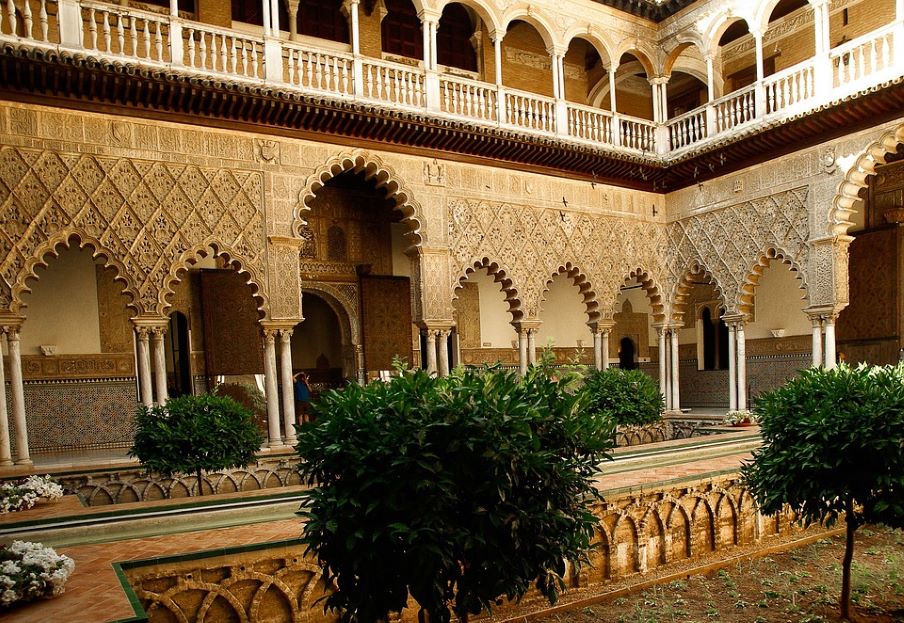
This historic royal residence showcases a captivating blend of Muslim, Christian, and Mudejar architectural styles. Its intricate detailing and harmonious layout make it a significant example of beauty and functionality. The site invites visitors to explore these features that embody the cultural history of a city steeped in rich traditions.
The construction of the palace began in the 10th century as a fortress for Muslim rulers and developed over the centuries. Notably, in the 14th century, the structure underwent significant expansions under the reign of Peter the Cruel, intertwining European Gothic elements with Islamic artistry. Each phase of construction reflects the prevailing styles, with later additions during the Renaissance adding to the complexity of its design.
Key architectural attributes include stunning arches, elaborate tilework, and lush gardens that echo a Moorish past. The famous Patio de las Doncellas exemplifies how the interplay of light and shadow enhances the overall aesthetics. Water features, such as the reflective pools, serve both as visual delights and practical cooling systems, characteristic of Islamic landscaping.
Visitors can navigate through a series of richly decorated rooms, each presenting unique elements such as coffered ceilings and ornate plasterwork. The Hall of Ambassadors, for instance, boasts a spectacular wooden ceiling with intricate geometrical patterns, showcasing the craftsmanship of the time. Walking through the gardens, one can appreciate how the layout creates an atmosphere of serenity amidst the bustling city.
The ideal time to visit is during spring or autumn when the weather is mild, making it easier to explore the gardens and courtyards. A typical exploration of the palace can take around two to three hours, allowing ample time to appreciate both the architectural grandeur and the historical context. Visitors should be prepared for some uneven terrain and stairways. Bringing comfortable shoes and a camera is advisable to capture the site's stunning details without rushing.
Автор фото: jackmac34. Источник: Pixabay
Visiting Hours and Ticket Information for the Cathedral
The religious edifice welcomes visitors daily from morning until evening, with specific hours varying seasonally. For a more intimate experience, late morning or early afternoon visits are recommended, allowing one to avoid the busiest times, especially during weekends and holidays.
Tickets can be obtained at the site or through official online platforms. It is advisable to purchase tickets in advance, particularly during peak tourist seasons, to ensure availability and prevent long waiting times. Standard entry grants access to the main areas, but there are also options for guided tours that delve deeper into the history and architecture.
Typically, visitors spend about two to three hours exploring the significant sections, which include chapels, courtyards, and art collections. Suitable footwear is recommended, as the stone pathways and staircases may be uneven. The layout is predominantly flat, but some areas may require climbing to enjoy elevated views.
While entry is generally straightforward, be mindful of specific regulations regarding photography and behavior within sacred spaces. Bringing water is advisable on warm days, along with sun protection if visiting in the summer months. Group rates often apply, making it beneficial for larger parties to inquire ahead.
Источник фото: Pixabay
Important Artworks Inside the Cathedral
The interior of this iconic structure is home to an impressive array of artworks that reflect its historical significance and artistic value. Among these, the magnificent altarpiece by Manuel de San Fernando stands out, adorned with over 50 sculpted figures, illustrating various religious scenes. Equally captivating is the stunning Cristo de los Gitanos, a revered crucifix that draws visitors with its profound artistry and cultural resonance. Don’t miss the opportunity to witness the intricately detailed tomb of Christopher Columbus, which represents both the era's artistic ambition and the historical impact of his voyages.
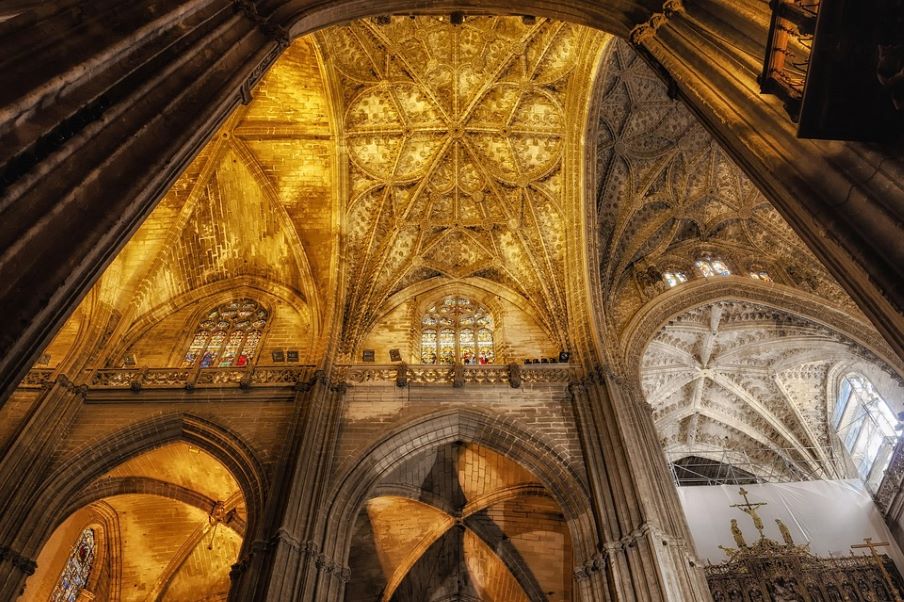
In addition to these highlights, the choral stalls are a true marvel, crafted in the 16th century employing late Gothic style, showcasing exquisite woodwork that exemplifies the craftsmanship of the period. Look for the beautiful paintings by Francisco de Goya and the ornate frescoes in the ceilings, which enhance the serene atmosphere. Visitors may find exploring these masterpieces enriches their understanding of the site’s spiritual and cultural depth, with each artwork telling a story that transcends time.
Guided Tours of the Alcázar: What to Expect
For those eager to explore one of Spain's most stunning architectural gems, guided tours offer an immersive experience. Kick off your adventure by preparing for approximately two to three hours of exploration, ideal for history enthusiasts and architecture lovers alike.
Historical background
The origins of this remarkable complex date back to Islamic rule in the 10th century when it served as a fortress. Following the Christian Reconquista in 1248, it transitioned into a royal residence, evolving over the centuries. Key renovations took place during the Moorish rule, particularly under King Peter of Castile in the 14th century, who introduced Mudejar style elements that still capture visitors' imaginations today.
The architecture reflects various periods, with a blend of Gothic, Renaissance, and Baroque influences. Initially constructed for defense, the site gradually adapted to serve administrative and ceremonial purposes. As a former royal palace, it has hosted significant events, adding layers to its rich history.
UNESCO value and status
This site is recognized for its outstanding universal value due to its unique architectural fusion that symbolizes the harmonious coexistence of diverse cultures. It is often considered a masterpiece of Mudejar architecture, showcasing artistry in brickwork and intricate tile designs. Inscribed for its significance across several criteria, including its representation of cultural interaction, the site continues to be safeguarded against threats such as urbanization and tourism pressures.
Автор фото: Akshay Nanavati. Источник: Unsplash
What visitors can see
During your guided tour, expect to marvel at the exquisite gardens, ornate columns, grand courtyards, and lavish rooms adorned with detailed plasterwork. The atmosphere invites contemplation, enriched by the sounds of rustling leaves and water features. Key highlights include the stunning Patio de las Doncellas, the impressive Hall of Ambassadors, and the expansive Gardens, which offer serene retreats amidst vibrant flora.
For an enlightening experience, take the time to explore the diverse architectural styles in each section, from the intricate arches reflecting Islamic influence to the regal splendor of the Renaissance. Don’t hesitate to ask your guide questions, as they can provide deeper insights into the stories behind each corner you visit.
Practical information
The most favorable time to visit occurs in the spring and autumn when temperatures are mild, enhancing your experience. While a typical visit lasts a couple of hours, it can vary depending on your interest in exploring specific details. The terrain is generally accessible, though some areas may have uneven paths or steps.
Guided tours are recommended, ensuring you miss no essential details. Online reservations are typically necessary to secure your spot. Bring comfortable shoes, as walking is a significant component of the visit. Keep an eye on your personal belongings, as it can be crowded during peak hours, and consider arriving early to avoid rushes.
Who will enjoy this place
This site will captivate history enthusiasts and fans of grand architecture due to its rich cultural heritage. Families will appreciate the vast open spaces in the gardens, ideal for leisurely strolls. Photographers will find plenty of opportunities to capture breathtaking views, particularly in the early morning light. For those seeking insightful stories woven into the fabric of history, this historical setting delivers a memorable experience.
In essence, whether you are exploring solo, with family, or with a group, this site provides an intriguing blend of beauty, history, and culture that resonates with many travelers.

