


This remarkable site consists of a series of intricate fortifications located in the Netherlands’ North Holland province. Recognized as a UNESCO World Heritage Site, it highlights human ingenuity in landscape management and military architecture. The interconnected waterways and defenses offer travelers a glimpse into historical strategies for protection against water and invasion. Visitors can typically spend a half-day exploring these significant structures, making it a perfect destination for history aficionados and architecture enthusiasts alike.
Historical background
Construction of this defensive network began in the late 19th century, with the primary purpose of shielding the nation from potential invasions. Key developments occurred from 1880 to the early 20th century when innovations in military technology necessitated advanced designs. Notable figures involved in its inception included influential military engineers and architects like Henri de Castries, who shaped its conceptual foundation.
Throughout its accessibility, the architecture has evolved significantly with functionality at the forefront. Initially, the structures featured a combination of earthen mounds, stone walls, and fortifications designed to withstand artillery. As time progressed, the design integrated more sophisticated features such as sluices and moats, adapting to the changing needs of warfare and defense. Architectural styles from late 19th-century military fortifications are prominent, showcasing a blend of practicality and aesthetic that reflects the prevailing trends of its time.
UNESCO value and status
The outstanding universal value of this site lies in its demonstration of innovative defense techniques that resonate with military history on a global scale. Recognized for its ability to showcase the interaction between landscape and human interventions, it stands as a notable example of hydrological management in the context of military architecture. Inscribed under the criteria of possessing historical significance, the site illustrates the technological advancements in defending territory against water threats.
Preservation efforts are ongoing, aimed at maintaining the integrity of the fortifications while mitigating potential challenges such as climate change and urban development. The impact of tourism needs careful management to prevent erosion and degradation, ensuring that this valuable piece of heritage remains intact for future generations.
What visitors can see
Visitors to this unique complex can explore a variety of sites, each rich with historical context and stunning visuals. Walking along the fortified lines, one can experience a captivating atmosphere marked by the sounds of nature mingling with reminders of past conflicts. Key highlights include historic bastions, informative visitor centers, and immersive trails that provide insights into the site’s strategic importance.
On-site exploration reveals concrete details, such as the robust stone walls and intricate networks of canals. Visitors can wander through the preserved forts, encounter interactive displays, and appreciate panoramic views that illustrate both the military strategy and scenic beauty of the area. The surrounding landscapes, shaped by waterways, enhance the experience while connecting visitors to the site's historical significance. Suggested paths offer leisurely walks along the structures and guided tours, ensuring a comprehensive understanding of this remarkable defense system.
Practical information
The ideal time for visiting this heritage site is during the warmer months when the weather is more amenable and crowds are typically smaller. A visit usually lasts around half a day, allowing ample time to appreciate the structures and surrounding landscapes fully. The terrain is generally accessible, although some areas feature uneven surfaces or require mild climbing.
Access to many parts of the site may be guided-only, ensuring a rich narrative experience while facilitating preservation. Practical tips for visitors include wearing comfortable walking shoes, bringing water, and taking advantage of informational resources available throughout the location. Be mindful of potential pitfalls, such as sudden weather changes or areas with restricted access due to preservation efforts.
Who will enjoy this place
This site appeals to a diverse group of travelers, including history lovers, architecture fans, and nature enthusiasts. Children and families can engage with educational programs, while photographers may find endless opportunities to capture both the structures and natural beauty surrounding them. Although physically manageable, the site can involve some walking, with certain areas presenting a bit of a challenge for those with mobility issues. Its strategic historical context also attracts those with a keen interest in military events, enriching their understanding of the balance between human endeavor and environmental challenges.
Historical Context of the Dutch Water Defence Lines
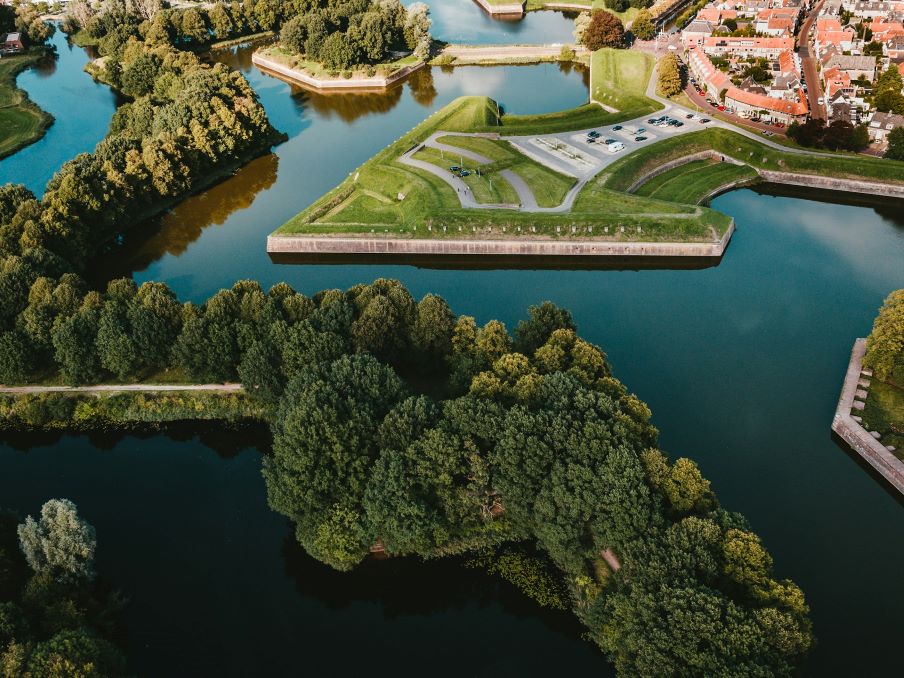
Established to safeguard the region from external threats, these fortifications date back to the late 16th century during the Eighty Years' War (1568–1648). They became pivotal in the military strategy of the time, leveraging the country's unique geography. The construction involved creating a series of interconnected waterways, dikes, and moats designed to flood the surrounding areas, making it nearly impossible for invading forces to advance. This strategic innovation became a model for modern military architecture and influenced subsequent developments in defensive engineering.
By the 19th century, the establishment of permanent structures reflected advancements in military technology and the evolving nature of warfare. Fortresses designed in the Dutch Renaissance style, emphasizing bastion fortifications, allowed for a more effective defense system. These new designs not only showcased innovations in artillery but also transformed these sites into symbols of national pride and resilience. As a result, the fortifications were recognized by UNESCO as a cultural landmark, illustrating their significance in both military history and the architectural evolution of the region.
Автор фото: Malcolm Lightbody. Источник: Unsplash
Key Architectural Features of the Defence Lines
The intricate features of the fortifications reveal a blend of ingenuity and functionality. Central to their design are the extensive earthen embankments, which serve as primary barriers against potential invasions. These structures are strategically supplemented by moats and floodable areas, which not only enhance defense mechanisms but also utilize the local water resources effectively. The presence of bastions and artillery platforms reflects an early understanding of gunpowder warfare, allowing for superior strategic positioning against attackers.
Architecturally, the site showcases varying styles and techniques evolved over centuries, emphasizing adaptability to technological advancements. The incorporation of military architecture with natural landscapes is particularly notable; the fortifications seamlessly integrate with the adjacent waterways, creating a formidable defensive system that is both visually captivating and historically significant. Visitors can observe remnants of original masonry and other historical components, which illustrate the site's military ingenuity and its evolution through time, providing a vivid glimpse into past defensive strategies.
The Role of Natural Waterways in Defence Strategies
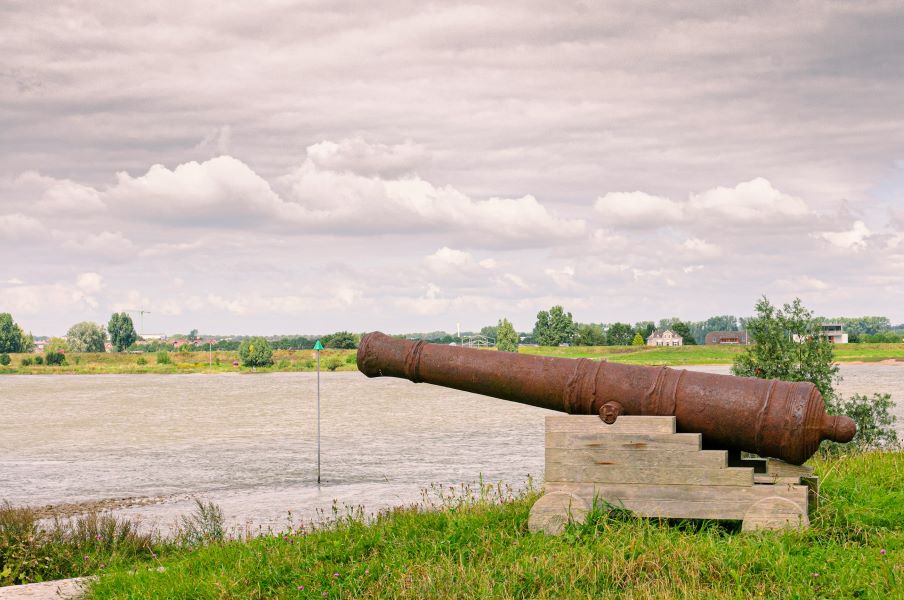
Utilizing rivers and lakes in military tactics proves indispensable for establishing effective barriers and routes. Historically, these natural resources provided critical advantages in controlling movement and securing territories. Strategically positioned waterways function as formidable obstacles against enemy forces, enabling enhanced surveillance and swift communication among defenders.
Rivers serve dual purposes in conflict scenarios; they act as both barriers and conduits. For example, German strategists embraced riverine systems to create zones that were difficult for invading troops to traverse. When waterways flood or swell, they present additional natural defenses; an area that would be accessible in dry seasons can become a formidable fortress during heavy rains. Maintaining knowledge of local geography was crucial for successful military campaigns.
The construction of defensive structures near bodies of water amplifies their effectiveness. Fortifications boasting moats or barriers on lakes utilize stagnant water to compound protection. These maneuvers increase the time and resources required for an assault, allowing defenders ample time to organize their strategies. Such measures illustrate the harmonious integration of nature and military architecture.
In peacetime, these rivers and lakes evolved into trade routes and linchpins for economic exchange. Control over natural resources not only fortified territorial claims but also enabled the sustenance of local populations. Historical records elucidate how villages developed around key waterways, indicating their significance beyond mere combat scenarios.
Modern assessments confirm that waterways continue to influence contemporary military strategies. Studies indicate the ongoing use of aqua-resources as tactical advantages in modern warfare. Water barriers can effectively regulate access while providing logistics for humanitarian missions and refuge situations.
Planning military operations requires careful consideration of natural water formations. Military leaders should analyze topographical maps with an emphasis on navigable waterways, identifying strategic points for fortifications. Incorporating natural barriers into military exercises ensures leveraging environmental advantages is part of operational preparedness.
Автор фото: Jos Zwaan. Источник: Unsplash
Impact on Dutch Military History and Strategy
The strategic implementation of hydraulic engineering altered military tactics, enabling a shift from direct confrontations to defensive maneuvers. This transformation effectively utilized natural waterways and artificial moats, conferring a decisive edge during conflicts, particularly against invading forces. For instance, during the Eighty Years' War (1568-1648), the ability to inundate areas thwarted enemy advances, showcasing the pivotal role of water management in shaping military outcomes.
Throughout the centuries, numerous battles underscored the importance of these defensive structures. The Siege of Naarden in 1572 illustrated how robust fortifications, enhanced by inundations, could repel encroaching armies. This reliance on geographical advantages led to the establishment of specialized military engineering units dedicated to manipulating the landscape for defense. The innovative strategies deployed during this period highlighted an understanding of the interplay between the environment and military effectiveness.
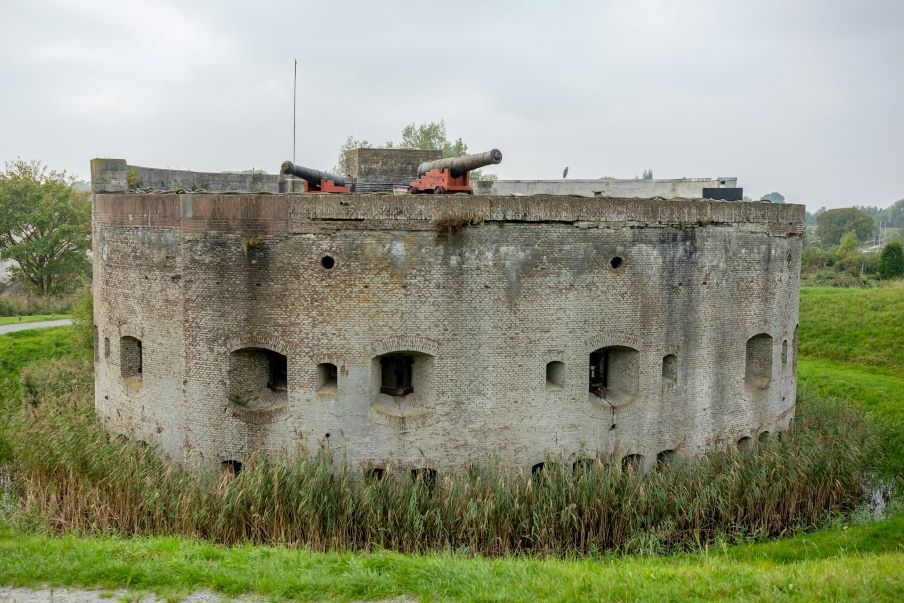
Moreover, the design of fortifications integrated various architectural styles, including Renaissance and Vauban techniques, reflecting advancements in military architecture. These structures were not merely defensive; they were crafted as command centers that provided a strategic overview of the battlefield. Consequently, military planners began to prioritize design elements that maximized visibility and control over surrounding areas, marking a significant evolution in military architecture.
The Long War in the late 16th century further demonstrated the outstanding integration of ecological features into military strategies. As armies adapted tactics to incorporate these waterways, the warfare dynamic evolved. The introduction of amphibious assaults became more common, as commanders recognized the tactical advantages presented by inundated landscapes, compelling adversaries to reconsider traditional offensive strategies.
In modern times, this military heritage has influenced contemporary defense policies. The historical significance of these fortifications continues to inform strategic planning, emphasizing the necessity of environmental factors in defense strategies. As evolving threats challenge traditional paradigms, lessons from history on spatial awareness, resource management, and strategic foresight remain relevant for current military leaders.
Автор фото: Mayumi Maciel. Источник: Unsplash
Modern Preservation and Restoration Efforts
To maintain the integrity of these historical systems, interdisciplinary teams are employing advanced techniques in conservation. Regular assessments are crucial, focusing on structural stability, ecological health, and cultural relevance. Collaboration with local communities ensures that restoration initiatives resonate with the cultural identity of the areas, bridging the gap between heritage preservation and contemporary usage.
Given the potential threats from climate change, it is vital that modern strategies include environmental resilience measures. Implementing natural water management systems, such as rain gardens and permeable pavements, can alleviate flooding while enhancing biodiversity. Digitization of archival records plays a significant role in making restoration efforts more efficient, allowing for precise mapping of original features and materials.
One key project, initiated in the early 2000s, focused on the reclamation of marshlands bordering the historical networks. By restoring these natural barriers, authorities aimed to mitigate the risks associated with rising sea levels and increased storm surges. The project has not only reinforced the architectural elements but also revitalized local ecosystems, showcasing a successful integration of heritage and environmental care.
Community involvement is paramount in these preservation efforts. Workshops and educational programs engage local residents and stakeholders, fostering a sense of ownership and responsibility for the heritage. These initiatives are instrumental in ensuring continuous advocacy for the conservation of these structures, highlighting the interplay between heritage and daily life.
Funding for these projects is often derived from a mix of governmental support and private donations. Additionally, partnerships with academic institutions pave the way for innovative restoration methodologies. Emphasizing the dual benefits of protecting historical sites while enhancing community resilience, these efforts create a sustainable approach to heritage conservation for future generations.

