


The unique architectural legacy found in Kosovo offers a remarkable glimpse into the country’s complex past. Inscribed on the UNESCO World Heritage List, these sites represent critical milestones in European history, reflecting the cultural intersections that have shaped the region. Travelers interested in history and architecture will find these locations captivating, with visits typically taking a full day to appreciate the depth of their significance.
Historical background
The roots of these remarkable structures can be traced back to the 12th century, when the region began to flourish as a center of cultural and religious importance. During the 14th and 15th centuries, the area saw significant growth, particularly under the rule of the Serbian Empire, which established various ecclesiastical and secular buildings. This period is marked by the rise of Orthodox Christianity, influencing the architectural style and function of these establishments.
Over time, the architectural styles evolved, reflecting different phases of use and cultural influences. Initially, many buildings were characterized by Byzantine elements, transitioning into more elaborate Gothic and Renaissance features as they adapted to new functions, such as pilgrimage and administrative purposes. This evolution is evident in the impressive frescoes and elaborate iconostasis that can still be observed today.
UNESCO value and status
Designated as a site of "outstanding universal value," these structures illustrate the unique blend of cultural traditions and artistic achievements of their time. The region meets multiple UNESCO criteria, such as representing significant developments in art and architecture, showcasing important cultural exchanges, and holding historical significance for both the Orthodox Christian community and the broader European cultural landscape.
The ongoing preservation efforts reflect a commitment to maintaining these heritage sites against threats like urban development and environmental degradation. Despite these challenges, various initiatives aim to ensure their continued relevance and accessibility for future generations.
What visitors can see
Visitors are welcomed by stunning frescoes, intricate stone carvings, and a serene atmosphere that resonates with history. The varied architectural styles invite exploration, with notable features including vast nave spaces, ornate chapels, and peaceful courtyards. Each site presents its own unique character and visual narrative, encouraging a deep appreciation for the craftsmanship and dedication of the builders.
Guided tours are usually available, allowing for an enriching experience that highlights key aspects of each structure. Strolling through the grounds, one may encounter vibrant murals, ancient manuscripts, and historical artifacts, each offering a deeper understanding of the region's cultural tapestry. Visitors should also take the time to engage with local narratives that enrich the storytelling of the sites.
Practical information
The optimal time for visits generally falls in the spring and autumn months, when the weather is mild, and crowds are fewer. Plan for a visit of around a full day to truly absorb the history and architecture. The terrain can involve some uneven walking surfaces, making comfortable shoes advisable.
Access may vary, with certain sections requiring guided tours, making advance planning beneficial. It's recommended to bring water, a camera, and perhaps a journal to jot down insights. Visitors should be mindful of their surroundings and respectful of the sacred nature of the sites, avoiding loud conversations and maintaining a reflective attitude.
Who will enjoy this place
This destination is a haven for history enthusiasts, architecture aficionados, and anyone with an interest in religious studies. Families can engage in educational activities that spark curiosity in various cultures, while photographers will find abundant opportunities to capture stunning images of both the structures and surrounding landscapes. Although the location may pose some physical challenges, particularly in terms of walking distances, the experience is rewarding and enriching for all who visit.
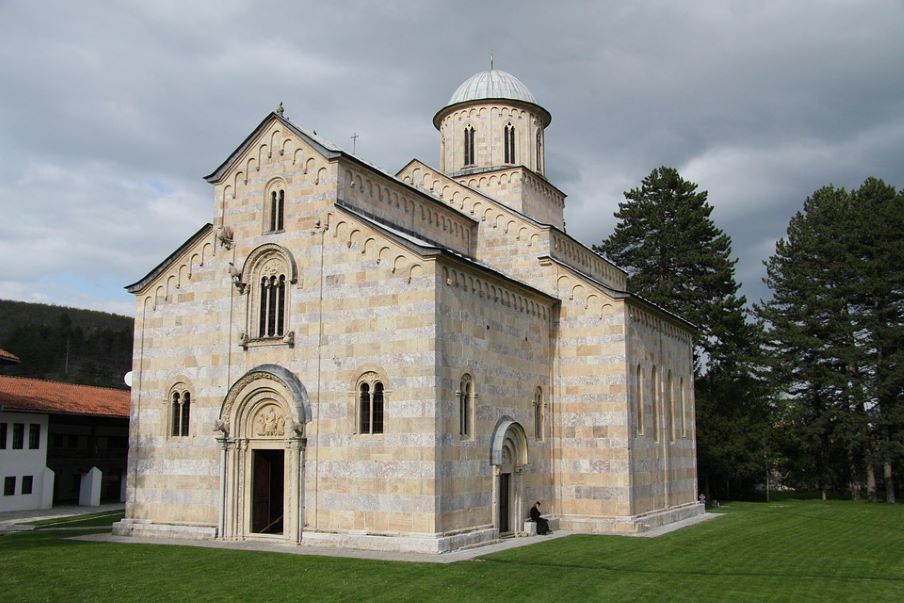
Автор фото: vhsrt-just. Источник: Pixabay
Identifying Key Medieval Sites in Kosovo
The region boasts a number of significant sites that reflect its historical and cultural complexity. In particular, the Visoki Dečani Monastery, inscribed in 2004, stands out with its exquisite frescoes from the 14th century. Gjakova's Hadum Mosque offers a glimpse into Ottoman architecture, while the extraordinary field of basilicas at the ancient city of Ulpiana showcases remnants from Roman influence.
Another pivotal location is Gračanica Monastery, notable for its Byzantine aesthetic and elaborate frescoes, which were painted around 1321. It is essential to recognize the architectural styles that represent various eras and cultures, including the distinctive Gothic elements seen in the Church of St. Nicholas in Obiliq. Travelers interested in history and architecture will find rich narratives at these sites; guided tours are often recommended to fully capture the intricate details and contextual stories of each location. Wear comfortable shoes, as you may encounter uneven terrain, and keep an eye out for local art markets around the monastery paths for a unique cultural experience.
Understanding the Architectural Styles of Kosovo's Monuments
To appreciate the architectural diversity in Kosovo, focus on the blending of Byzantine, Ottoman, and Gothic elements that characterize its sacred edifices and fortified structures. This combination reflects historical influences and cultural exchanges that shaped the region over centuries. Visiting key sites like the Basilica of Saint Mary or the Gracanica Monastery reveals the intricate styles that tell the story of Kosovo's past.
Byzantine architecture laid the foundation for many religious structures in this territory, with its hallmark features such as domes and expansive murals. Structures like the Visoki Decani Monastery are exemplary of this style, showcasing large, bulbous domes and ornate frescoes. Constructed in the 14th century, these elements symbolize both spiritual aspirations and artistic excellence, offering visitors a glimpse into a significant era of Orthodox Christian history.
In the 15th century, the Ottoman Empire's influence transformed local architecture. This period introduced features like elegant minarets and decorative tile work, seen in structures like the Imperial Mosque in Pristina. The blending of these styles created unique interpretations, merging functionality with aesthetic beauty. Understanding these layers helps visitors grasp the rich tapestry of influences that define the region's architectural landscape.
The Gothic Revival period also left its mark, particularly in public buildings and some churches. These structures often include pointed arches and tall, narrow windows, contrasting with the more rounded forms found in Byzantine designs. The adaptation of these styles indicates a dynamic historical narrative, responding to both local and broader European architectural trends.
Ultimately, appreciating the architectural styles of Kosovo requires recognizing the layers of history they embody. Engaging with local guides who specialize in art history can enhance the experience, deepening visitors' understanding of how these styles interact within their cultural context. Photographic opportunities abound, especially at sunrise or sunset, when the interplay of light illuminates the unique features of these architectural gems.
Visiting the UNESCO World Heritage Sites in Kosovo
Visiting the UNESCO World Heritage Sites in Kosovo provides an intriguing glimpse into its historical significance and architectural splendor. The sites include remarkable locations that showcase unique cultural narratives and artistic achievements. As a destination, these places attract history enthusiasts and architecture fans alike, offering enriching experiences amid the picturesque landscapes of the region. A typical visit can last a full day, making it ideal for travelers deeply interested in cultural exploration and historical contexts.
Historical background
The inscribed sites date back to the 11th and 14th centuries, reflecting the evolution of the region through critical historical phases. The religious and political significance of Kosovo during the Medieval period played a vital role in shaping these structures. Important figures, such as Saint Teresa of Calcutta, contribute to the rich tapestry of cultural legacy embedded in these sites. The architecture evolved over time, transitioning from Byzantine influences to later Gothic elements, mirroring changes in religious practices and community needs.
Architecture underwent significant transformations, adapting to both spiritual and communal functions. Initially, many buildings served as monastic centers, characterized by intricate frescoes and domed ceilings typical of Byzantine styles. In later periods, Gothic elements became prominent, representing the shift towards more elaborate artistic expressions in the construction of chapels and cloisters, as the emphasis on pilgrimage increased.
UNESCO value and status
The sites hold outstanding universal value, representing a peak in artistic and architectural ingenuity from their respective periods. Often regarded as a cradle of spiritual heritage, they provide vital insights into the historical narrative of the region. They fulfill several UNESCO criteria, such as showcasing the interchange of cultural values and illustrating significant stages in human history. Protection measures are in place, though challenges like tourism pressure and environmental factors pose ongoing risks to preservation efforts.
What visitors can see
Upon visiting, the experience is immersive, with an atmosphere underscored by historical echoes and stunning artistic details. Key highlights include thriving frescoes that adorn the walls, creating a sense of vibrancy within the stone structures. Visitors can wander through cloisters and chapels, each space offering a unique perspective on the craftsmanship and spiritual heritage of the period. Suggested exploration routes focus on major attractions, alongside quieter nooks where travelers might reflect and absorb the ambiance.
- Frescoed interiors with vivid narratives
- Graceful arches and pillars showcasing architectural finesse
- Scenic views of surrounding landscapes enhancing the experience
Practical information
The optimal time for a visit generally spans spring and early autumn when weather conditions are mild, allowing for comfortable exploration. Depending on personal interests, visits typically last around half a day or more. While access is manageable, some areas may require moderate walking and careful navigation due to uneven terrain. Guided tours are often recommended to enrich understanding and appreciation of the historical context.
Travelers should prepare adequately by bringing water, appropriate footwear, and a camera to capture the stunning visuals. Watching for potential crowds during peak seasons can enhance the experience, allowing more intimate engagement with the sites. Long walks may be involved, so planning allows for ample time to fully appreciate the cultural treasures available.
Who will enjoy this place
This destination appeals to a diverse audience, including history aficionados, architecture lovers, and those interested in cultural studies. Families may find it insightful, and photographers will appreciate the rich visual narratives captured in the intricate designs and panoramic views. The sites may also hold significance for spiritual seekers, as they are tied to various religious traditions and pilgrimage routes in the region. However, some areas may present physical challenges, including gradual slopes and lengthy walks, suitable for those prepared for a physical endeavor.
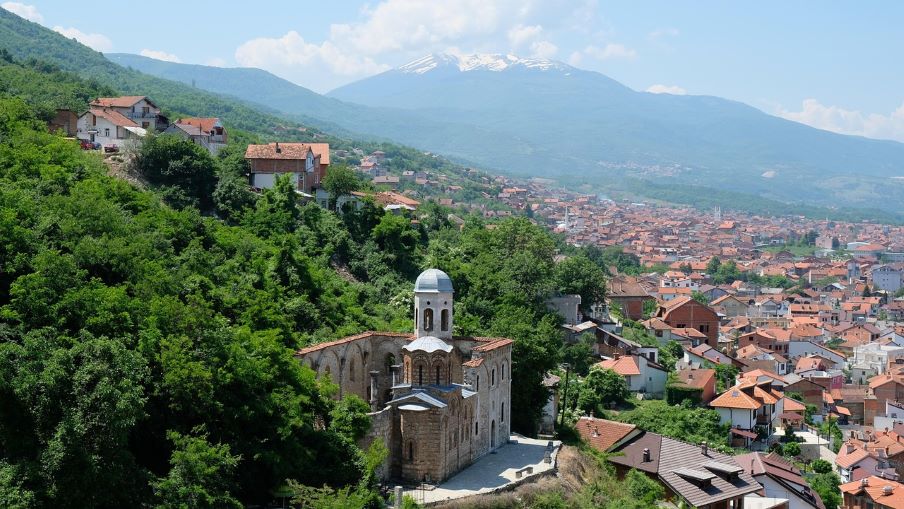
Автор фото: mesuttoker. Источник: Pixabay
Exploring the Historical Significance of Kosovo's Monasteries
In Kosovo, the monasteries stand as pillars of spiritual and cultural history, each with unique stories and architectural marvels. Inscribed on the UNESCO World Heritage List in 2006, these sites reveal the region's complex religious influences and offer insights into its historical significance. Travelers interested in spirituality, architecture, or history will find these places enriching, typically committing a half-day to fully appreciate their essence.
Historical background
The origins of these sacred sites trace back to the 12th century, when they served as important centers of Orthodox Christianity. Over the centuries, these monasteries withstood invasions, contributing to their resilience and historical evolution. Key events, such as the Serbian Ottoman conflicts and subsequent wars, shaped their fate, leading to periods of neglect and restoration.
Architecturally, these structures evolved through various styles. Initially showcasing Byzantine influences, they later incorporated Gothic elements, especially during the 14th century. This transformation reflects both the artistic trends of the time and the monasteries' ongoing role in monastic life and pilgrimage, adjusting to both spiritual needs and political contexts.
UNESCO value and status
The outstanding universal value of these monasteries lies in their representation of Serbian culture and spirituality in the region. They illustrate the interplay between art, history, and faith throughout centuries. UNESCO recognizes this significance under various criteria, including their exceptional architecture and the pivotal role of the Orthodox Church in the wider Christian world.
However, these sites face threats such as urban encroachment, tourism pressures, and the effects of climate change. Preservation efforts are ongoing, emphasizing the need for a balanced approach to safeguard these treasures while allowing for appropriate visitor engagement.
What visitors can see
Visitors will find a wealth of sensory experiences among the monasteries. The intricate frescoes adorning the walls tell stories of faith through vibrant colors and masterful artistry. The soothing sounds of nature surrounding the premises create a tranquil atmosphere, perfect for reflection. Visitors can explore key elements like naves, chapels, and cloisters, providing insight into the monastic life once lived here.
- St. Stephen's Church: A fine example of Serbian architecture with exquisite frescoes.
- The refectory: A communal dining area reflecting monastic traditions.
- Courtyards: Peaceful gardens offering a place for contemplation.
Walking paths connect various buildings, inviting exploration at a leisurely pace. Each turn brings a new perspective, allowing visitors to marvel at the intricate details that have withstood the test of time.
Practical information
The ideal time to visit is during spring or early autumn, when the weather is mild and the sites are less crowded. A typical visit might last around two to three hours, offering ample time to absorb the surroundings. Although the walkways are generally well-maintained, visitors should be prepared for uneven terrain in some areas.
Access may be restricted in certain parts of the complexes, so guided tours are often recommended to enhance the experience. It is advisable to bring water and wear comfortable shoes for walking. Additionally, respect the sanctity of the sites by maintaining a quiet demeanor, and be mindful of any photography restrictions.
Who will enjoy this place
This destination appeals to a diverse range of travelers. History enthusiasts will appreciate the rich narratives and architectural styles, while those interested in spirituality can connect deeply with the tranquil environment. Families may find it an educational experience, and photographers will enjoy capturing the unique aesthetics of these ancient structures.
For pilgrims, these monasteries hold particular significance as sites of worship and reflection. However, particular routes may require physical stamina due to some steep inclines and longer walks, ensuring a fulfilling yet challenging experience for adventure seekers.

