


This remarkable location serves as a living showcase of the historic mining culture that shaped the region's identity. Inscribed on the UNESCO World Heritage List, the site highlights the ingenuity and craftsmanship of mining activities from the 18th and 19th centuries. Its importance to travelers lies in its ability to convey the complexities of industrial history, offering a deeper understanding of technological advancements and social change during that era. Typically, a visit may last half a day, benefiting those with a keen interest in history, architecture, and technology.
Historical background
The roots of mining activities in this area trace back to prehistoric times, with notable intensification observed during the 18th century. The advent of the Industrial Revolution marked a significant turning point, as advancements in steam technology led to an increase in productivity and the establishment of numerous mining sites. Key figures during this period included influential engineers and industrialists who contributed to the development of innovative mining practices. The culmination of these efforts saw a peak in tin and copper extraction by the late 19th century, positioning the area as a vital center for metal production in Europe.
Architecturally, structures evolved from simple adits and shafts to elaborate industrial complexes featuring distinct elements such as engine houses and chimneys, primarily designed to accommodate the needs of a growing workforce. The styles represented within the structures include Victorian Gothic and Industrial Revival, reflecting the functional requirements of the time while showcasing aesthetic considerations.
UNESCO value and status
The outstanding universal value of this site lies in its representation of the evolution of mining technology and its profound impact on social and economic development. It is notable for illustrating significant technological transitions, particularly during the 18th and 19th centuries, which laid the groundwork for modern industry. The site meets several UNESCO criteria, highlighting its cultural significance as a demonstration of engineering prowess and its role in shaping community lifestyle.
Preservation efforts are ongoing to safeguard these historic sites against threats such as erosion, urban development, and tourism pressure. While measures are in place to maintain and protect the integrity of the landscape, challenges remain regarding the balance between heritage conservation and increasing visitor numbers.
What visitors can see
Visitors can experience a variety of sites showcasing the distinct mining landscape, characterized by remnants of old shafts, expansive engine houses, and mineral processing facilities. The atmosphere is steeped in history, with rusting machinery juxtaposed against lush greenery, creating a striking visual narrative.
Highlights include:
- The iconic chimneys that define the skyline, serving as landmarks of the industrial past.
- Well-preserved structures that tell the stories of their functional uses, from processing minerals to housing machinery.
- Interpretative centers offering insights into the mining techniques and the everyday lives of miners.
Opportunities for exploration abound, including guided tours that delve into the technology of the era, as well as scenic walks along the trails that connect various historical sites. Engaging with the landscape through documentation and local guidance enriches the experience.
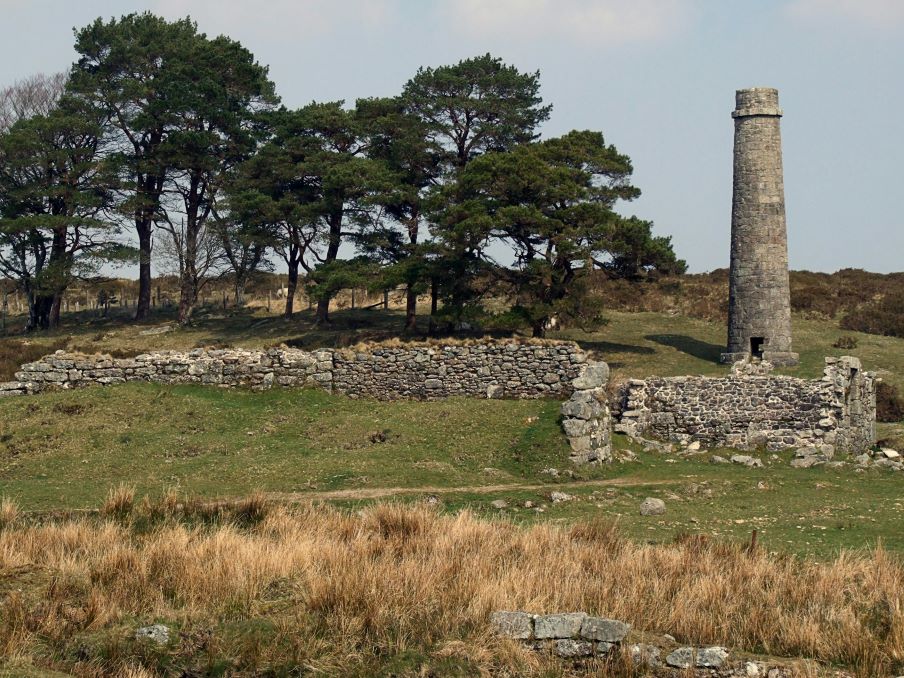
Автор фото: Steven Winter. Источник: Pixabay
Practical information
The optimal visiting time typically spans late spring to early autumn when the weather is mild and conducive to outdoor activities. A visit can last a few hours, enabling guests to digest both the visual and historical aspects of the sites at a leisurely pace. Accessibility ranges, with some areas requiring moderate walking, while others may involve uneven terrain.
Practical tips for an enriching experience include:
- Wearing sturdy footwear suitable for uneven ground.
- Bringing water and snacks, as some locations might not have amenities.
- Being prepared for sudden weather changes, especially in coastal areas.
Visitors should remain aware of designated paths and any guided sections requiring prior booking, ensuring a smooth experience through this remarkable emblem of industrial history.
Who will enjoy this place
History enthusiasts, architecture aficionados, and those interested in industrial technology will find this location particularly engaging. Families can enjoy educational outings, while photographers will appreciate the picturesque and historically rich surroundings. The sites can present physical challenges, such as steep climbs or longer walks, which may not be suitable for all visitors. Those interested in the social implications of mining traditions and their historical narratives will also find meaningful connections to explore.
Historical Overview of Mining in Cornwall and West Devon
Active extraction activities in this region date back to the Bronze Age, with evidence of tin production pivotal in establishing early trade networks. By the early 19th century, the local economy heavily revolved around large-scale extractions of minerals, primarily tin and copper, leading to significant industrial growth. The area became a focal point for the Cornish mining industry, where technological advancements prompted increased productivity.
With the establishment of numerous mining sites, especially from the 18th to the 19th century, the region saw a surge in population as skilled miners and laborers migrated for work. The Discovery of rich lodes in the region spurred competition among mining companies, leading to innovations such as steam-powered engines and advanced mining techniques. By the late 1800s, the area became synonymous with mineral extraction and processing, greatly impacting the local sociocultural dynamics and economy.
The architecture associated with these extraction activities evolved alongside technological developments. Initially characterized by simple structures, mining complexes subsequently featured more sophisticated designs, including engine houses marked by distinctive chimneys and warehouses constructed from local stone. These hubs embodied characteristics of Victorian engineering, distinguished by their functional yet ornate styles, reflecting the period's industrial ambition.
Declines in the mining industry began in the 20th century due to depleting resources and declining prices, ultimately leading to the closure of most operations by the 1990s. Now, the remnants of this vibrant past offer visitors a glimpse into the historical significance and innovation that once thrived in the region. Well-preserved sites, museums, and walking trails provide opportunities for exploration, showcasing the legacy of an industry that shaped both the landscape and the lives of those who labored within it.
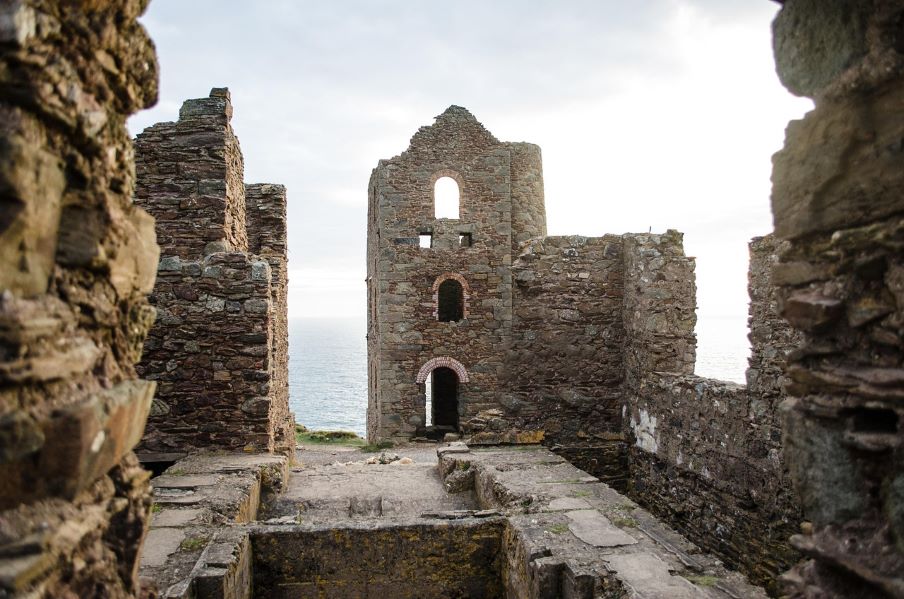
Автор фото: Whitechappel79. Источник: Unsplash
The Role of Mining in Local Economic Development
Investment in the extraction industry can significantly enhance regional financial stability. Specific initiatives should focus on educating the workforce, creating partnerships between local enterprises and extracting companies, and fostering a culture of sustainable practices within the extraction sector. These measures can transform mineral abundance into lasting economic gains.
Historically, the extraction of resources has provided job opportunities and stimulated ancillary industries, such as transportation and manufacturing. Communities that embraced such activities witnessed unprecedented growth in infrastructure, leading to improved public services. Leveraging these benefits requires implementing strategic development plans that promote diversification to minimize reliance on raw material activities alone.
Furthermore, attracting tourism linked to extraction history can yield substantial revenue. Promoting historical sites associated with extraction practices could engage visitors, increase local hospitality services, and expand the cultural economy. By developing a comprehensive marketing strategy for heritage sites, local governments can enhance visibility and attract visitors, stimulating economic growth through a blend of education and enjoyment.
Significant Mining Techniques and Innovations
The development of mining methods in this region has greatly influenced the industry and technology. Key advancements include the use of steam engines, which played a pivotal role in enhancing productivity. Additionally, innovations such as flotation and smelting processes marked important milestones in ore extraction and processing.
One of the most notable techniques is the use of hydraulic power for tin extraction, which became prevalent during the 19th century. Water was directed to wash the ore from the surface, allowing for a more efficient separation of valuable minerals. This method not only saved labor but also maximized yield.
Another significant innovation was the introduction of the Cornish pump. Developed in the 18th century, this steam-powered pump enabled miners to remove water from deep shafts, thereby granting access to otherwise unreachable deposits. The technology was so effective that it was exported worldwide, showcasing its influence on mining practices beyond local boundaries.
Surveying methods also evolved, with the use of aerial surveys becoming common in the 20th century. This technological advancement allowed for more precise mapping of mineral deposits, transforming exploration strategies and reducing costs for miners.
The process of assaying, or testing the quality of ores, underwent significant refinement as well. Techniques such as fire assay and chemical wet assay improved the accuracy of assessments, allowing for better planning in extraction operations. This played a crucial role in maximizing profits by focusing on high-yield areas.
Revolutionary advancements in communication, such as the telegraph, were instrumental during the mining boom. By enabling quicker sharing of information about market conditions and resources, miners and investors could make informed decisions that directly impacted their operations.
Environmental considerations gradually started influencing techniques, leading to the development of more sustainable practices. Innovations in waste management and by-product recovery have become critical as the industry faces increased scrutiny from regulators and communities.
Today, these historical techniques and innovations serve as a foundation upon which modern practices are built. Continued research in mining efficiency and environmental stewardship remains essential for advancing the industry and preserving its legacy for future generations.
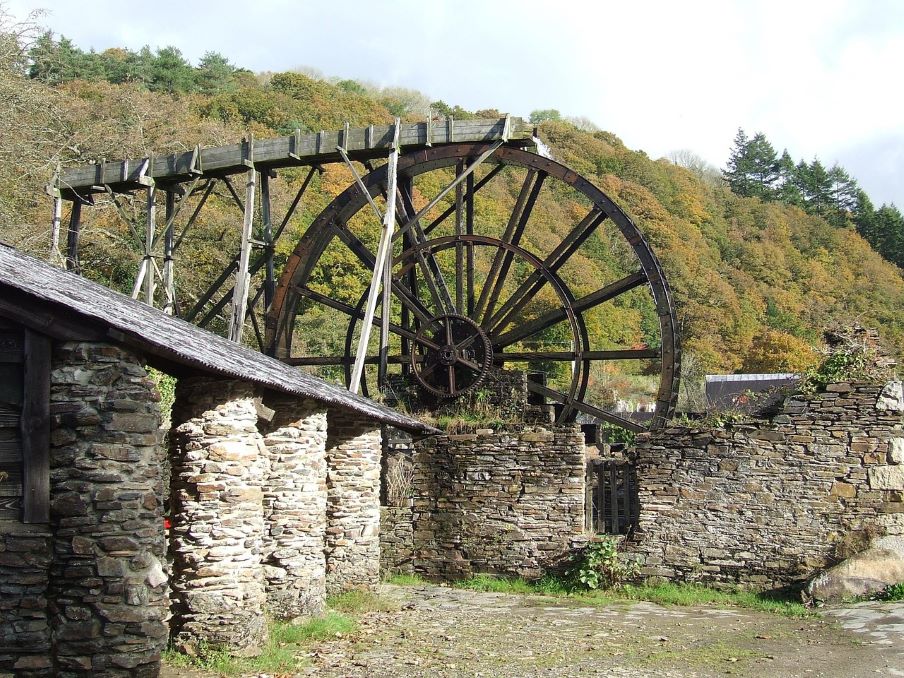
Автор фото: brianp3d. Источник: Pixabay
Impact of Mining on the Landscape and Environment
Mining operations have profoundly altered the natural environment, leading to significant modifications in terrain and ecosystems. For instance, industrial activities have resulted in the creation of extensive open-pit excavations and waste rock dumps, which disrupt the existing topography. These alterations can lead to soil erosion and sedimentation in nearby water bodies, adversely affecting aquatic life and water quality. It is essential to implement effective land restoration practices post-extraction to revive the natural environment wherever possible.
Habitat destruction is another critical consequence of extraction activities. Flora and fauna often face displacement due to the physical footprint of extraction sites. Furthermore, the pollution emanating from operational processes can have far-reaching impacts on air quality and health. The introduction of hazardous substances, including heavy metals, into the environment poses significant risks to local wildlife and communities. Monitoring and controlling emissions, including dust and water pollutants, should be prioritized through stringent regulations.
- Engage in comprehensive environmental impact assessments prior to the initiation of any extraction activities.
- Promote sustainable mining practices that mitigate ecological footprints, such as employing eco-friendly technologies.
- Facilitate ongoing ecological monitoring post-extraction to gauge the recovery of ecosystems.
Cultural Heritage and Mining Communities
Highlighting the impact of historical extraction practices reveals a rich cultural narrative shaped by local communities. The legacy of these regions is embodied in their distinctive architecture, local dialects, and traditions, with specific crafts thriving thanks to the mining industry. Preservation efforts must prioritize these unique characteristics, encouraging sustainable tourism while fostering local pride in their ancestral practices.
Inhabitants have historically celebrated their cultural identity through festivals and gatherings, reflecting the significant role of community solidarity. Active involvement in preserving sites and sharing stories enhances visitors' experiences, providing deeper connections to the area. Collaboration among local stakeholders can improve the preservation of traditions, ensuring the culture remains vibrant for future generations, while also promoting educational programs that explore the historical significance of these communities.

Автор фото: LoggaWiggler. Источник: Pixabay
Preservation Efforts for Mining Sites and Artifacts
Engagement with local communities is vital for the conservation of historical extraction locales. Initiatives employing community members for restoration projects not only provide employment but also foster cultural pride. Organizations should implement training programs focused on preservation techniques using traditional methods to ensure authenticity. Active participation from the community enhances the likelihood of sustaining these sites for future generations.
Collaboration with educational institutions plays an integral role in protection efforts. Establishing partnerships with universities for research on historical mining practices can yield valuable insights. Educational camps focused on the historical significance and traditional knowledge surrounding these sites can stimulate local interest and awareness. Additionally, students from various disciplines can take part in restoration projects, cultivating a new generation invested in preservation.
Technological advancements can significantly bolster preservation activities. Utilizing various forms of documentation, such as 3D scanning, can create comprehensive records of sites and artifacts at risk. This data can assist in reconstruction efforts and provide a baseline for monitoring deterioration. Furthermore, integrating virtual reality experiences will allow broader audiences to engage with the mining sites remotely, generating interest and additional funds for their upkeep.
Strong guidelines for tourism management are essential in balancing visitor engagement with conservation needs. Limiting access to certain areas during peak times or implementing guided tours can help minimize wear on structures. Offering educational tours focused on the historical and cultural importance of these sites can enrich the visitor experience while promoting responsible tourism practices. This structured approach not only protects the artifacts but educates the public on their historical context.
Funding strategies are crucial for long-term preservation success. Establishing dedicated funds for restoration and maintenance ensures that necessary work can be executed without delay. Engaging stakeholders, including private investors and government bodies, to support preservation initiatives can provide essential financial backing. Moreover, creating awareness campaigns to attract donations from history enthusiasts can further enhance the sustainability of these invaluable sites.

