


The renowned scientific facility located in Cheshire, England, is inscribed on UNESCO's World Heritage List for its profound contributions to astronomy and astrophysics. This site not only holds historical significance but offers a unique perspective on human endeavors in understanding the cosmos. Visitors typically spend around half a day here, making it an ideal spot for science enthusiasts and those intrigued by astronomical exploration.
Historical background
Established in the early 20th century, the site became operational in 1945 when it began its journey into astronomical research. The observatory was pivotal during the Cold War, providing crucial data for both scientific and military applications. With the completion of the iconic Lovell Telescope in 1957, it emerged as a leader in radio astronomy, allowing scientists to observe celestial phenomena far beyond what was previously possible.
Architecturally, the structure showcases a blend of mid-20th-century modernism and functionality. The Lovell Telescope, with its large dish and intricate support systems, marked a shift in how observatories were designed–prioritizing technological advancement and usability alongside aesthetic appeal. Over time, the observatory evolved from a simple research center to a hub for public engagement and education, emphasizing the importance of outreach in scientific disciplines.
UNESCO value and status
The site's outstanding universal value lies in its historical and scientific impact on the field of radio astronomy. It represents a critical advancement in our understanding of the universe, allowing humanity to make significant strides in the observation of pulsars, quasars, and cosmic events. UNESCO recognizes it under criteria (ii) and (iv) for its role in the development of radio astronomy and for its symbolic architecture that embodies the cultural use of scientific inquiry.
Preservation efforts are continuously in place to maintain the integrity of the observatory, though challenges such as climate change and increased tourism make ongoing support essential. These factors threaten the site's physical conditions and the delicate balance between scientific research and public accessibility.
What visitors can see
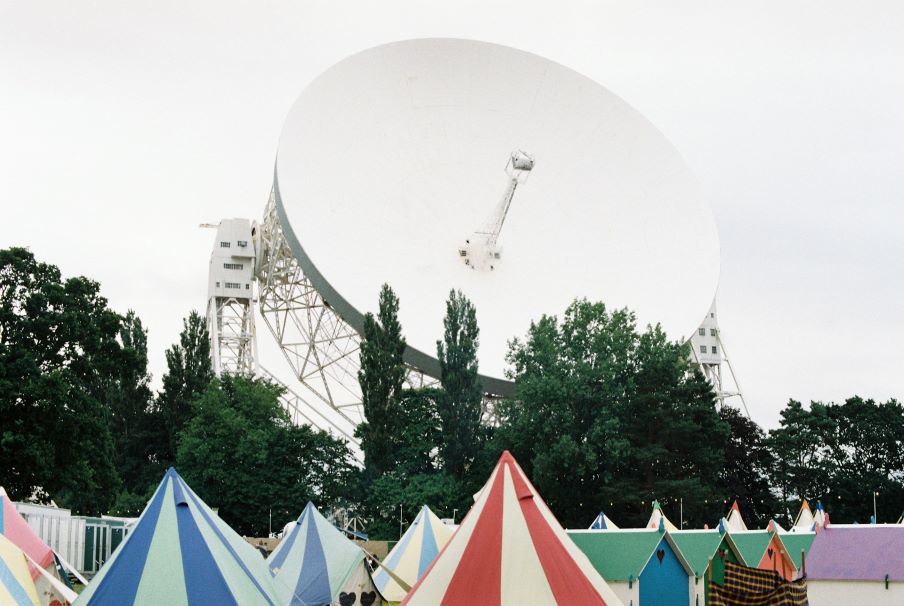
Upon visiting, guests are greeted with a striking view of the monumental telescope, which dominates the landscape and serves as a symbol of scientific progress. The site features interactive exhibitions, offering hands-on experiences that engage visitors of all ages in the themes of space exploration and astronomy. The observatory grounds include beautiful gardens, providing a serene backdrop for contemplation and observation.
Key highlights of the experience include:
- The Lovell Telescope, where guided tours reveal its intricacies and operational history.
- Exhibition halls featuring interactive displays and demonstrations.
- Stargazing evenings scheduled throughout the year, allowing for direct observation of astronomical events.
Visitors can wander the extensive grounds, enjoying panoramic views and engaging with experts during scheduled talks and activities.
Practical information
The optimal time to visit is during the spring and summer months when the weather is more inviting and events are plentiful. A typical visit lasts a couple of hours but can be extended based on interests in specific exhibitions or tours. The site is mostly accessible, although some areas require moderate walking. It is advisable to wear comfortable footwear and prepare for potential weather changes.
Though access is mostly unregulated, some specific areas may be guided-only, so checking in advance is recommended. Bringing cameras is encouraged, especially for stargazing events. Common pitfalls include missing out on guided tours due to scheduling, so planning ahead can enhance the experience.
Who will enjoy this place
This destination is ideal for enthusiasts of science, history, and architecture. Families with children will find engaging activities that stimulate curiosity about space. Those interested in educational pursuits, such as educators or students, will appreciate the interactive exhibits and informational talks. While the site is mostly welcoming, certain events, like night stargazing, may be more physically demanding and should be approached accordingly. Pilgrimage routes for those with a passion for scientific history further enhance its significance as a cultural landmark.
Автор фото: Annie Spratt. Источник: Unsplash
Understanding Radio Telescopes and Their Importance
Radio telescopes are instruments that detect radio waves emitted by celestial objects. Their significance lies in their ability to observe phenomena that visible light telescopes cannot, such as cosmic microwave background radiation and signals from distant pulsars. These devices facilitate the study of universe formation, black holes, and the potential for extraterrestrial life.
Constructed with large parabolic dishes, radio telescopes capture faint radio frequencies, converting them into data for analysis. This capability is paramount for astrophysics, as it provides insights into the universe's structure and evolution. Research conducted with these instruments has led to breakthroughs, like understanding cosmic events that influence galaxy formation. Consequently, locations housing radio telescopes serve as vital research hubs, attracting scientists from around the globe and promoting education in astronomy.
Highlights of the Lovell Telescope's Design and Functionality
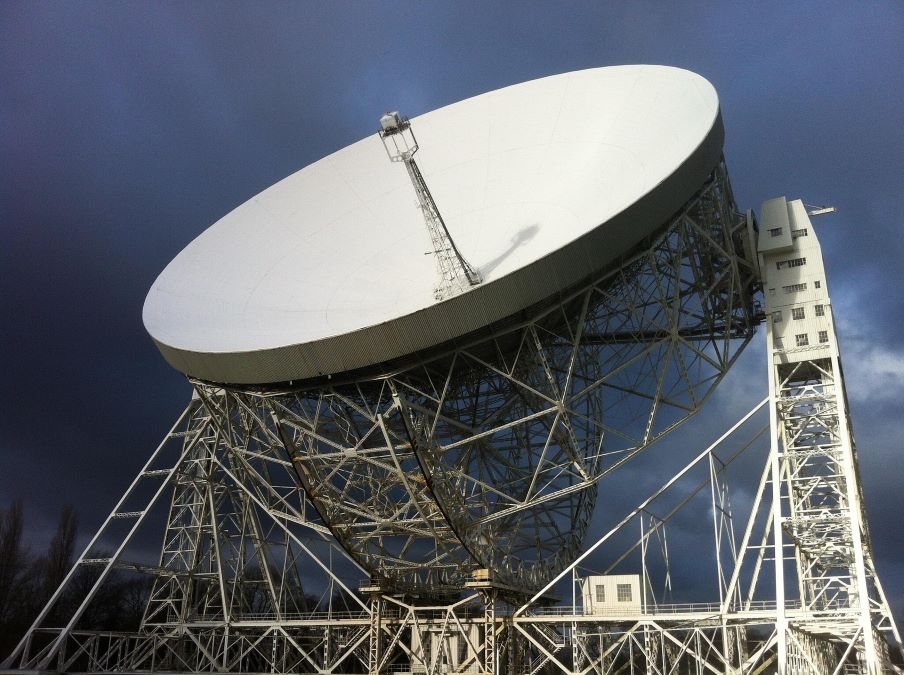
The Lovell Telescope stands as a remarkable feat of engineering, primarily due to its imposing size and innovative design features. Constructed in 1957, this radio telescope has a diameter of 76 meters, making it one of the largest of its kind when it was built. Its design incorporates a unique altazimuth mount, allowing for precise tracking of celestial objects as they move across the sky. This functionality is complemented by a high degree of sensitivity, enabling researchers to capture faint signals from distant astronomical sources.
The structure's construction utilizes a combination of steel and aluminum, providing strength without excessive weight. The telescope's dish is made up of over 1,500 individual aluminum panels, all meticulously aligned to create a surface that reflects radio waves efficiently. This precise engineering ensures that the telescope can accurately focus radio signals, which is crucial for conducting various astronomical observations, including pulsar studies, cosmic microwave background radiation analysis, and radio surveys of galaxies.
Essential to its operation is a sophisticated system of receivers and amplifiers that translates radio waves into manageable data. The telescope's data processing capability has evolved significantly over the years, enabling scientists to analyze data with greater accuracy and speed. Notably, the Lovell Telescope played a vital role in the early investigations of quasars and distant galaxies, contributing to our understanding of the universe's structure and evolution.
The iconic design of the Lovell Telescope, paired with its functionality, has established it as a significant research facility in astronomy. Visitors will find not only the grandeur of the telescope itself but also engaging exhibits detailing its operational mechanisms and scientific contributions. Such insights make a visit memorable for anyone fascinated by the mysteries of the cosmos.
Key Research Projects and Discoveries at Jodrell Bank
Among prominent initiatives, the pulsar research program stands out. The Lovell Telescope has been instrumental in discovering pulsars, particularly the first millisecond pulsar, which revealed crucial insights into the nature of neutron stars. This work has significantly advanced understanding of stellar evolution and the extreme conditions in the universe.
Another major endeavor involves radio astronomy, exploring cosmic phenomena such as quasars and galaxies. By detecting radio waves from distant objects, researchers have gathered data that helps in mapping the structure of the universe. This project has opened doors to understanding the expansion rate of the universe and its underlying cosmological principles.
Continuing with space exploration, the facility played a key role in tracking spacecraft, particularly during significant missions like that of the European Space Agency’s Giotto probe which flew by Halley’s Comet. The precision and reliability of these observations were vital for the success of the mission, providing valuable data about the comet's composition and behavior.
The observatory is also famous for its contributions to astrobiology. Research teams investigate radio signals that could suggest extraterrestrial life. Projects utilizing state-of-the-art technology to scan various frequencies have expanded the search for potential signals, enhancing the understanding of life’s possible existence beyond Earth.
In addition, environmental monitoring activities are conducted at the site. The research on cosmic rays has implications for understanding both space weather and its effects on Earth's climate. This unique aspect of research is crucial for predicting the impacts of solar activity on technological infrastructure and climate systems.
Astrophysical phenomena, such as gravitational waves, have also been a focus. While primary observations are made elsewhere, the analysis conducted at this site complements the findings, contributing to an expanding body of knowledge about the fabric of space-time.
The educational outreach program operates alongside the research initiatives. Workshops and exhibitions convey complex astronomical concepts to the public, inspiring future generations in science. Hands-on activities help in demystifying astronomy, making it accessible to various age groups.
Clearly, the mix of groundbreaking research, educational outreach, and community involvement makes this center a vital player in advancing scientific understanding of the cosmos. From stellar phenomena to potential extraterrestrial signals, the ongoing projects and discoveries paint a robust picture of the universe we inhabit.
Автор фото: PeterGaunt2. Источник: Pixabay
Visitor Experience: What to Expect When You Go
Prepare for a fascinating day filled with scientific wonders and stunning sights. Visitors typically spend a half-day exploring the captivating exhibits, which cater to astronomy enthusiasts, families, and anyone with a curious mind. Begin your visit at the visitor center, where interactive displays and educational workshops provide insights into the cosmos and the pivotal role this site has played in space exploration.
As you wander through the grounds, take in the impressive structures, including the large radio telescopes. The surrounding gardens offer a serene environment to relax and enjoy the expansive views. Don't miss out on the engaging planetarium shows, which immerse you in the night sky and enhance your understanding of celestial phenomena. For a memorable visit, wear comfortable shoes to navigate the outdoor paths, and consider bringing binoculars to observe the intricate details of the facilities. Keep an eye on the weather, as visiting during clear days offers the best visibility for stargazing opportunities and photography.
Educational Programs for All Ages at Jodrell Bank
Visit this iconic site for an enriching experience suitable for families, students, and lifelong learners. Engage in educational activities that cater to all age groups, fostering a deep connection with space science and technology through hands-on projects and interactive exhibits.
Various programs offer unique opportunities for discovery. Young visitors benefit from workshops focused on basic astrophysics principles and space exploration, providing a solid foundation in STEM education. For teenagers, there are advanced sessions that delve into astronomical phenomena, encouraging critical thinking and problem-solving skills through group discussions and experiments.
Adults can explore the intricacies of research projects conducted at the site, attending lectures led by renowned scientists. These presentations break down complex topics like dark matter and exoplanets into digestible formats. The interaction with experts enhances understanding and appreciation of contemporary astronomical research.
During special events, the facility hosts family-friendly activities that include stargazing nights and science fairs. These occasions create a lively atmosphere where participants can apply what they’ve learned in a fun and engaging way, allowing for the exploration of real-time astronomical observations. Visitors often describe these immersive experiences as enlightening, making science accessible and enjoyable.
Incorporating technology into the learning process, numerous mobile apps and online resources are available for those unable to visit physically. Virtual tours and interactive simulations give a taste of what the on-site experience offers, ensuring that everyone can partake in the wonder of the cosmos from anywhere. Plan a visit to partake in these enlightening programs–an excellent way for families to bond over science.
Impact of Jodrell Bank on Space Science and Astronomy
Studying celestial phenomena has seen significant advancements due to the influence of this iconic facility. It has played a pivotal role in radio astronomy since its establishment in the 20th century, catalyzing groundbreaking discoveries and technologies. With its powerful radio telescopes, it has contributed extensively to our understanding of the universe.
The observatory was commissioned in 1945 under the leadership of Bernard Lovell, marking its entry into the scientific community. By the 1960s, it became a crucial hub for tracking space missions, including those of the International Space Station and various planetary explorations. Throughout the years, it served as a training ground for numerous astronomers and physicists, shaping careers and influencing research direction.
One of its most significant contributions is the discovery of pulsars in the 1960s, which transformed our knowledge of neutron stars. This discovery not only showcased the capabilities of radio telescopes but also advanced theoretical astrophysics, bridging gaps between observation and theory. Additionally, the research conducted at this site has led to the development of new techniques in radio imaging, improving the clarity and detail of astronomical observations.
Visitor engagement has played a significant role in promoting science communication. By hosting events and educational programs, the site bridges the gap between scientists and the public. This fosters a deeper appreciation for space science and encourages the next generation of astronomers. Furthermore, the observatory stands as a UNESCO World Heritage Site, highlighting its global importance in scientific history and ongoing research initiatives.
As technology continues to evolve, the facility remains at the forefront of radio astronomy. Current projects involve developing more sophisticated instruments that push the boundaries of detection and imaging. These innovations are likely to yield new insights into cosmic phenomena, further solidifying its status as a cornerstone in the field of space science.

